

Your Comprehensive Guide to Buying Land for Sale
Investing in land for sale can be an exciting journey filled with potential. Whether you are looking to build your dream home, start a business, or secure an investment, there are numerous factors to consider before making a purchase. In this guide, we will explore various aspects of buying land, including tips for finding the right property, evaluating land, and understanding the legalities involved. Be sure to check out land for sale vanuatulandforsale.com/ for premier land listings and expert insights.
Why Buy Land?
Investing in land has numerous benefits. Here are a few compelling reasons to consider:
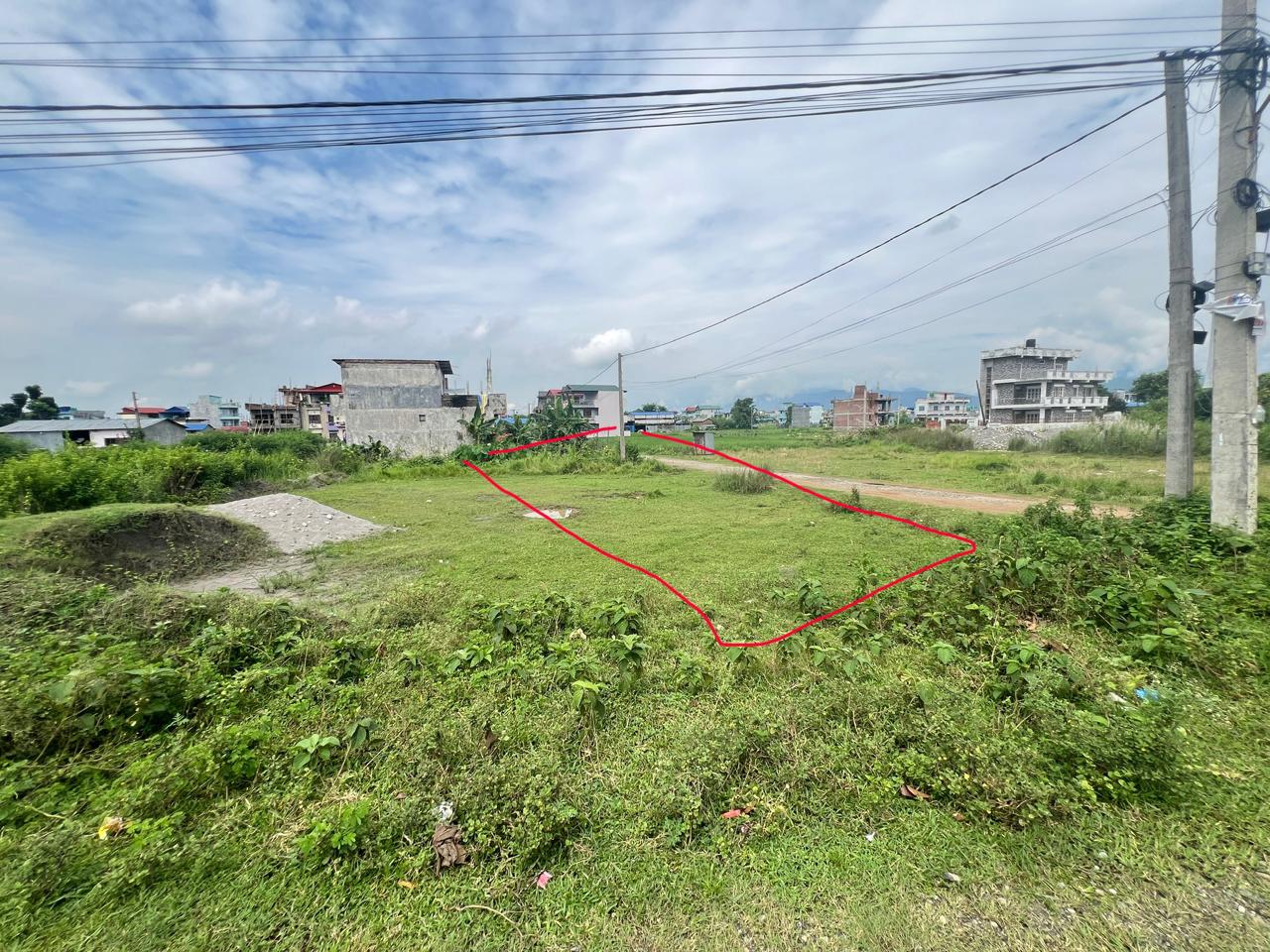
- Long-term Investment: Land tends to appreciate over time, making it a solid investment choice.
- Flexibility: Unlike buildings, land offers flexibility to develop it according to your needs.
- Low Maintenance: Vacant land requires minimal maintenance compared to properties with structures.
- Sustainable Growth: Investing in land can support sustainable housing and community development.
Identifying the Right Land for Sale
When looking for land, consider the following steps to identify the right property:
1. Define Your Purpose
Decide why you are buying land. Are you looking to build a residential property, establish a commercial enterprise, or invest for future appreciation? Understanding your purpose will help narrow your search.
2. Location and Accessibility
Location is critical in real estate. Consider proximity to schools, hospitals, shopping centers, and major highways. Look for areas with potential for growth and accessibility.
3. Research Zoning Laws
Check the zoning regulations for the area you are interested in. Zoning laws dictate how land can be used and can affect your plans significantly. Ensure that your intended use aligns with the current zoning.
4. Analyze Property Size and Topography
Evaluate the size of the land and its topography. Is it flat, hilly, or rocky? Understanding the land’s characteristics can help determine how you can utilize it best.
5. Consider Utilities and Infrastructure
Check if utilities like water, electricity, and sewage systems are available. Access to these services can impact your development plans and costs.
Evaluating Land Listings
Once you have narrowed your search, it’s crucial to conduct thorough evaluations of potential land listings:
1. Visit the Site
Visiting the land in person is vital. Take note of the surroundings, existing structures, and the overall environment. This firsthand experience can offer insights that online research cannot provide.
2. Assess Land Use Potential
Consider what you can do with the land. Research restrictions and allowances for agricultural, residential, or commercial use. This can affect your investment’s long-term value.
3. Consult Real Estate Experts
Engaging with real estate professionals who specialize in land can provide invaluable advice. They can help you analyze properties, negotiate deals, and navigate the complexities of land acquisition.
Understanding the Legal Aspects of Land Purchase
Land purchases involve legal considerations that buyers must comprehend to avoid future complications:
1. Title Search
Conduct a title search to ensure there are no liens or claims against the property. A clear title ensures that you have ownership rights without disputes.
2. Land Surveys
Obtaining a land survey is essential to determine boundaries and identify any encroachments. Surveys help in confirming the land area and reveal any potential disputes.
3. Closing Process
Understand the closing process, including costs associated with closing. Be prepared for title insurance, attorney fees, and any other associated costs. It’s wise to have a lawyer review all documents before signing.
Financing Your Land Purchase
Funding your property purchase may differ from standard home loans:
1. Land Loans
Various lending options exist for land purchases, including traditional banks, credit unions, and specialized land loan companies. Understand the terms and interest rates before proceeding.
2. Conventional Financing vs. Owner Financing
Conventional financing may be harder to obtain for raw land. Some sellers might offer owner financing,

allowing you to make payments directly to them instead of a bank.
Future Considerations
Investing in land requires foresight and careful planning:
1. Long-term Vision
Think about the future growth of the area. Consider how developments might change the value of your land and whether it aligns with your investment goals.
2. Environmental Impact
Be conscious of environmental regulations and potential restrictions. Understanding the ecological impact can help you mitigate issues and comply with local laws.
Conclusion
Purchasing land for sale is a significant investment that offers numerous benefits if approached correctly. Take the time to research, seek expert advice, and plan for the future. Armed with knowledge and resources, you can make informed decisions that align with your needs and investment goals. Investing in land can be a gateway to fulfilling your dreams and securing your financial future.
For more information and listings of available land, visit vanuatulandforsale.com/ to explore exciting opportunities that await you.